



27. Remove the expansion tank cap (see above) and clean it thoroughly with a rag. Also clean the filler neck on the expansion tank. If there is rust or corrosion in the neck, the coolant must be replaced. The coolant inside the expansion tank should be relatively clean and clear. If it is rust-colored, drain it, flush the system, and fill with new coolant.
28. Carefully inspect the condition of the radiator and heater hoses along their entire length. Replace any hoses that are cracked or bulging. Pay particular attention to the clamps that secure the hoses to the cooling system components.
29. Inspect all components of the cooling system (hoses, mating surfaces, etc.) for leaks. Cooling system leaks can usually be identified by white or rusty spots. If there are problems of this nature, replace the component or gasket, following the Section 3.
30. Use a soft brush to clean the front of the radiator from insects, leaves and other objects that have fallen into the fins. Be extremely careful not to damage the radiator fins or cut your fingers on them.
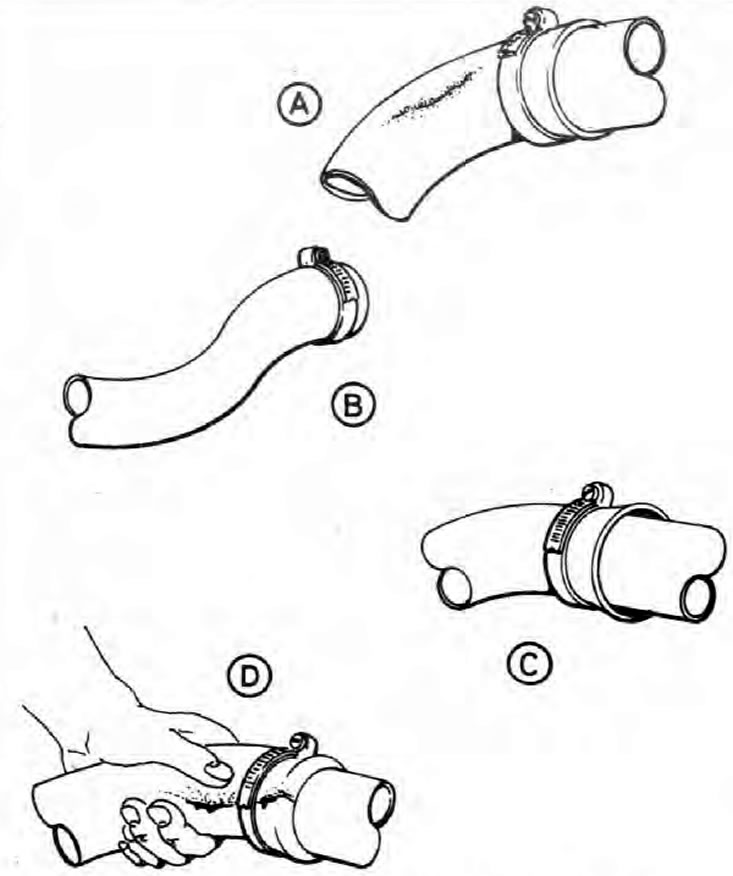
Fig. 1.1 Inspection of cooling system hoses
A. Check that there are no burnt areas on the hoses; this can lead to their sudden rupture
IN. If the hose is soft, then there may be internal contamination, which can lead to clogging of the cooling system and radiator
WITH. If the hose has hardened, it can crack at any time, tightening the clamps will not prevent leakage
D. If the hose is swollen or either end is soaked with oil, check the area around it for grease leaks. Cracks can be easily detected by squeezing the hose